Fly Fishing Gear For Beginners 👶
10 Minutes read time 📖 We do not use AI to create content; written by Anglers, for Anglers 🎣
This article will go over the basics of what you’d need to take your first excursion out into the uncharted waters. The basics are a fly rod and fly reel, fishing line, backing, tippet, and leader.
Of course, you’ll need flies too, which are a hobby of their own if you tie them at home. Fly fishing is a great sport that will challenge you in a good wa., Here’s what you need to know.
What Will I Need to Fly Fish? 🤔
As we have already stated above there are a few items that you can not go fly fishing without.
- Fly Fishing Rod
- Reel with Backing and Line
- Fishing Flies and Fly Box
These are the must-have fly fishing gear for beginners to get started. Let’s break these items down a little further so that you can have a better understanding of each.
Fly Rod Setup for Beginners
The options for just the fly rod and reel are so numerous and come in a range of prices; the cheapest being around $50, up to $1000 and more.
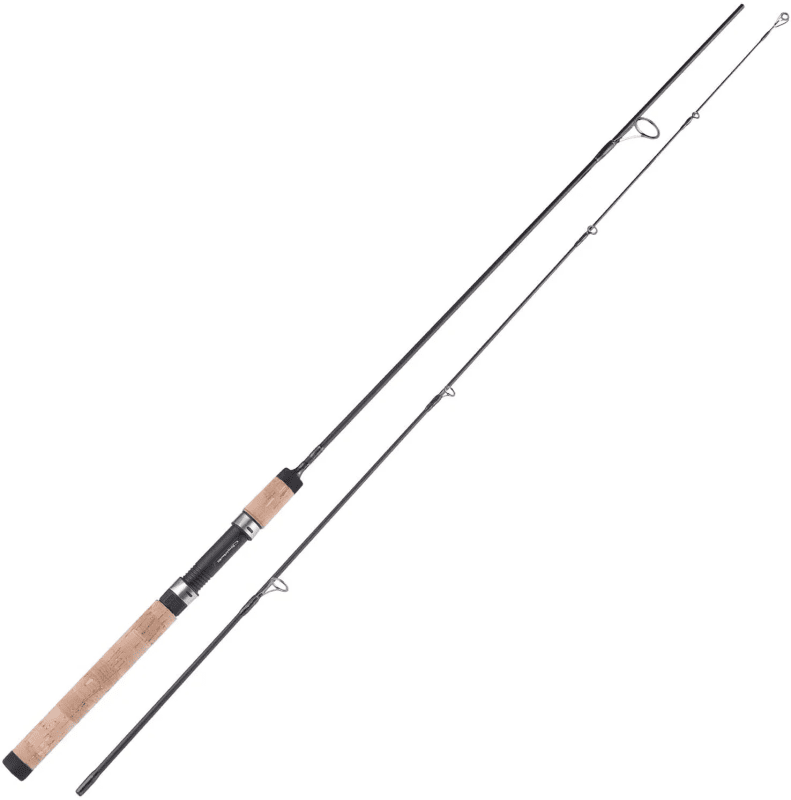
The important thing to know about this is the specifications of weight and length; which are all different based on the environment you will be fishing in.
A great starting place could be buying a graphite rod. These are standard as opposed to fiberglass.
I would highly recommend getting something along the lines of a fly fishing combo. My first fly combo cost about $200, and I still find myself using it even to this day!
We have a whole article on choosing a fly rod; so be sure the check it out 👈

The reel is less important than the rod in fly fishing. You could always buy an inexpensive reel in the beginning and upgrade to a better one later.
The most reliable type of reel is a metal reel. The rod and reel must be matched by weight, and you can buy a full set fly rod that has a rod and reel matched already and at a discounted price at certain retailers.
The numbers for the fly rod and reel correlate to the size of the line that will be used with it. The lighter the line (smaller the number) the lighter the rod.
Recommended Fly Rods for Beginners
The fly rod is the most important piece of fly fishing gear for beginners.
The following fly rods are ones that our team have used before. These are not the only good options for beginners, with many great options on the market. These rods are in no particular order.
1. Redington Fly Fishing Combo Kit 590-4 Crosswater Outfit with Reel 5 Wt 9-Foot 4pc
Redington makes great fly rods no matter the price. These rods come in 4,5,6,8,and 9 weight setups ranging from 7’6 – 9′ in length. This combo also comes with a spooled reel already. All that is needed is to tie on your leader and fly and get to casting & catching! This Redington also comes with a limited 1-year warranty.
2. Wild Water Fly Fishing 9 Foot, 4-Piece, 5/6 Weight Fly Rod
Best used for trout, panfish, and bass; this 5/6 weight fly rod is another great option for beginners. Not only does this fly rod setup come with a few more extras than the Redington, but it’s slightly cheaper also.
The Wild Water fly fishing combo kit comes with a spooled reel, leader, flies, and a fly box. The ultimate value of these items does not equal much, however, this setup comes ready to fish right out of the packaging.
3. MAXIMUMCATCH Maxcatch Extreme Fly Fishing Combo Kit 3/5/6/8 Weight
The Maximumcatch is the most wallet friendly pick of the three fly rods here. This fly rod comes in 3,5,6, or 8 weight options. Like the Wild Water fly rod setup this one comes turn key and ready to catch fish. The Maximumcatch also comes with many accessories including flies, a fly box, and a rod holder. What I like the most about this option is the aluminum reel. Aluminum is lightweight allowing a beginner fly fisherman time to build up the arm strength without tiring out too fast.
What is Fly Line – Backing, Leader and Tippet 🤔
Whereas the reel may not be vital in fly fishing, the fly line is. Fly line is one of the key elements involved in the cast.
There are varying types of fly fishing lines for various types of flies and fishing techniques.
Fly Backing
Fly backing is used to fill the reel behind the fly line. This attaches directly to the arbor on the fly fishing reel.
Backing adds some weight to improve casting, but also strategically the weight of the backing is designed so that it can be cast further into the water.
It is usually made of a floating material called dacron, and in some cases is highly visible.
Fly backing is also a very strong material. When fishing for larger species that tend to ‘run’, we sometimes find ourselves relying on the backing to fight the fish.
Fly Fishing Line
The next most important component after the line backing the fishing line itself.
Fly fishing lines come in a variety of sizes 1-14. The higher the number the more the weight.
Simply put, the smaller the line weight the smaller the fish. As an example, a 1wt Fly line would be used for small panfish or small native trout in the 4-8 inch range.
Consider if you will need a floating line, weight forward, or sinking line. This will be based on the types of flies you will be using and their applications.
Fly Fishing Leader
Fly fishing leaders are often misunderstood. Too many times have I seen anglers using the wrong fishing leaders and it gravely affects the cast.
Fly fishing leaders are made of monofilament or fluorocarbon materials. As you start out use monofilament. It is easier to work with.
Now, leaders come in varying sizes but they do have one common trait; they taper from the base that attaches to the fly line, down to the tip that attaches to the fly.
The last 2-3 feet of a fly leader has a uniform diameter. This is to allow the fishing fly to act natural during the presentation. The smaller uniform diameter also helps disguise the fly line.
THE ONE THING I SHOULD HAVE LEARNED SOONER IS UNDERSTANDING FLY FISHING LEADERS.
Fishing Flies for Beginners
Here is where the rubber meets the road!
An article about fly fishing gear for beginners would not be complete without including some flies.
When talking about fishing flies there are three main kinds to be concerned with.
- Dry Flies
- Wet Flies
- Streamer Flies
Each has its own purpose. Learning what flies to use will be integral to your fishing success.
Dry Flies
Dry flies are iconic in the world of fly fishing. The most popular by far by many fishermen because you can visually see the fish take the fly. This provides for instant gratification when first starting out.
These flies consist of mayflies, caddis flies, stone flies, grasshoppers, and midges just to name a few. They imitate these creatures very well in the right conditions.
They are best used in dry weather conditions, which also allows them to be seen sunny weather. Warmer weather, even if it’s just a warm spell in fall, can sometimes trigger a hatch. 🐣
If you have ever been out on the water and noticed a lot of the “bugs” flying near the water, chances are you are witnessing a hatch!
Simply Identify the size and color of the hatch, then do your best to match that with your fly. This is referred to as ‘matching the hatch’.
Wet Flies
Wet flies are also known as nymphs. Often times nymphs resemble aquatic creatures, such as larvae.
Nymphs may not be as popular as dry flies when it comes to notoriety. Wet flies however account for catching much more fish than dries.
A fish’s diet will consist of 90 percent insects. Many of these insects live below the surface of the water and cannot be seen by simply standing on the bank.
Wet flies can be beaded or non beaded and come in a variety of sizes.
Some of my favorite flies include,
- Copper John
- Prince Nymph
- Midges
- Hairs Ear Nymph
- Pheasant Tail Nymph
These are universal flies that tend to work well everywhere I have fished.
Streamer Flies
Streamers are designed to imitate some of the larger life forms in the water. They can imitate smaller baitfish or leaches. Because of this streamers tend to be big fish fly.
Streamers can be fishing in a multitude of ways.
- Strip
- Drift
- Jig
- Swing
One fly that most fly anglers will agree that catches fish is the woolly bugger. This simple streamer has been catching fish for years and will continue to do so into the future. This is most likely due to its simple design that allows its small tail-like portion to move in the water column.
Try fishing a woolly bugger on your first fly fishing adventure. There is a very good chance it will land you your first fish.
Recommended Fishing Flies for Beginners
The following are three flies that I will always have in my box. Obviously, there are more flies than just these three that catch consistent fish. You will have to learn and experiment as you learn how to fly fish and see what works best for you.
These Flies will work in almost any freshwater condition.
 |  |  |
ELK HAIR CADDIS | BEAD HEAD PRINCE NYMPH | ZEBRA MIDGE |
Surface fly that works great for all species of trout. | Sub surface fly great for freshwater fishing. | Sub surface fly imitating larva. |
Fly Fishing Gear You Should Wear
If you have watched anyone fly fish before, chances are they had some form of wearable fishing gear on.
Like a carpenter needs his tools, so does a fly fisherman! 🪚

These various tools will include
These are just a few of the items really. I know it can seem overwhelming but these items will help you in the long run.
Conclusion 🏁 Fly Fishing Gear for Beginners
Now that you have an understanding of the basic fly fishing gear for beginners, we can begin to move on to other topics such as Fly Casting Basics and How Does Fly Fishing Work.